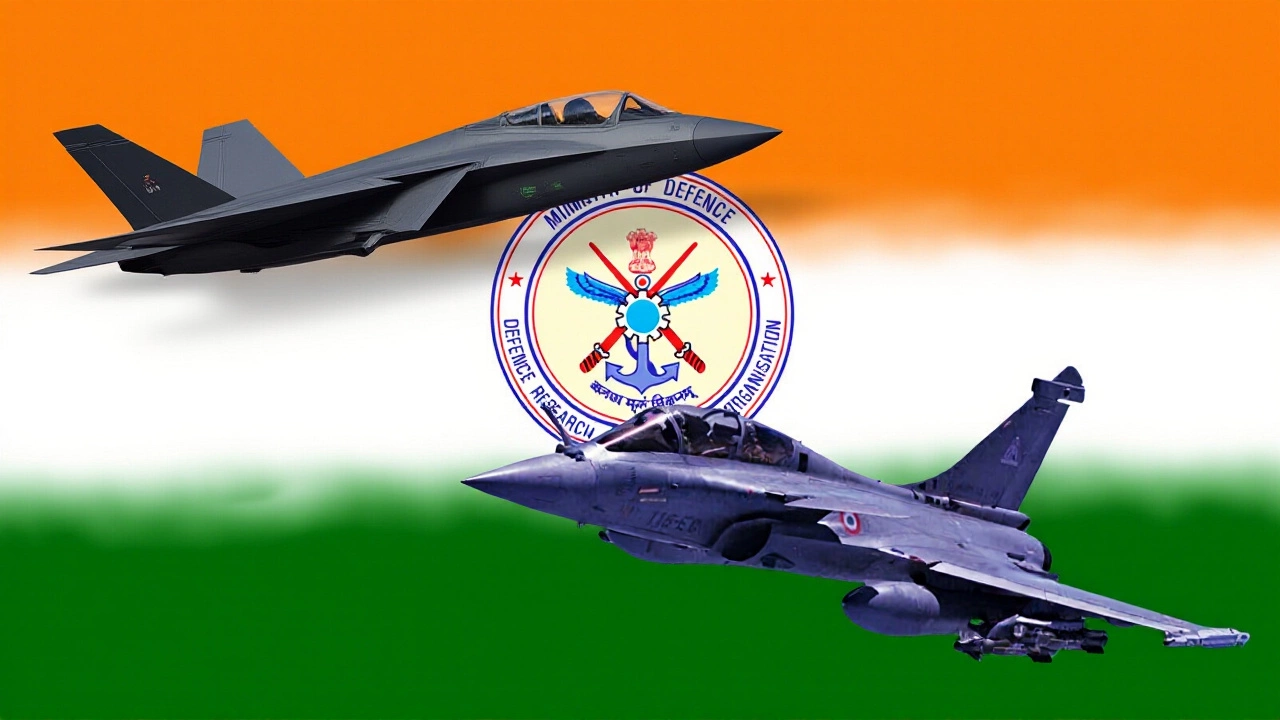
When Rajnath Singh, Defence Minister of India, gave the final nod to the Advanced Medium Combat Aircraft (AMCA) program on May 26, 2025, it wasn't just another bureaucratic approval. It was a signal that India is ready to rewrite the rules of aerial combat. The decision, worth approximately ₹15,000 crore ($1.8 billion), clears the path for India’s first indigenous fifth-generation stealth fighter jet.
The announcement came in New Delhi just one day after a significant military operation codenamed "Operation Sindoor." Timing matters here. The proximity suggests this isn't merely about acquiring new hardware; it's a strategic response to evolving regional threats and a declaration of intent to achieve air superiority through domestic technology.
A New Era of Indigenous Defense
Here’s the thing: building a stealth fighter from scratch is arguably harder than building a nuclear bomb. You need materials that absorb radar waves, engines that don’t emit excessive heat, and avionics that can process data faster than human reaction times allow. For decades, India relied on imports—from the Soviet MiG-21s to the Russian Su-30MKIs. Now, the game has changed.
The Defence Research and Development Organisation (DRDO) and its subsidiary, the Aeronautical Development Agency (ADA), are leading this charge. But they aren’t doing it alone. In a move that marks a shift toward privatization in defense, seven major Indian companies have submitted bids for the prototype development. These include industry giants like Hindustan Aeronautics Limited (HAL), Adani Defence, Tata Advanced Systems, and Kalyani Strategic Systems.
Dr. Jitendra J. Jadhav, Director General of ADA, told NDTV that the project has mobilized an ecosystem of roughly 450 entities—100 design centers and 350 manufacturing units. That scale of collaboration is unprecedented in India’s defense sector. It’s not just about building a plane; it’s about building an industry.
Stealth, Sensors, and Spectrum Dominance
So, what makes the AMCA special? On paper, it’s a twin-engine, multirole fighter with a maximum takeoff weight of 25 tons. But the devil is in the details. The aircraft will feature internal weapon bays, meaning it can carry missiles without disrupting its aerodynamic shape—a key requirement for stealth. External pods create drag and radar signatures; internal bays keep the profile clean.
But wait, there’s more. The DRDO is focusing heavily on "spectrum dominance." This means controlling the electromagnetic battlefield. Future wars won’t just be fought with bullets; they’ll be fought with jammers, spoofing signals, and cyber attacks. The AMCA is being designed to operate in this network-centric environment, potentially teaming up with unmanned aerial systems (UAS). Imagine a manned stealth fighter acting as a quarterback, directing drone wingmen to strike targets while staying out of range of enemy air defenses.
Key technologies include:
- Stealth Coatings: Radar-absorbing materials to minimize detection.
- Super Cruise: The ability to fly at supersonic speeds without using fuel-guzzling afterburners.
- AI Sensor Fusion: Combining data from radars, infrared sensors, and electronic warfare suites into a single, clear picture for the pilot.
- Augmented Reality Cockpit: Providing pilots with enhanced situational awareness through helmet-mounted displays.
The Timeline: Ambitious but Realistic?
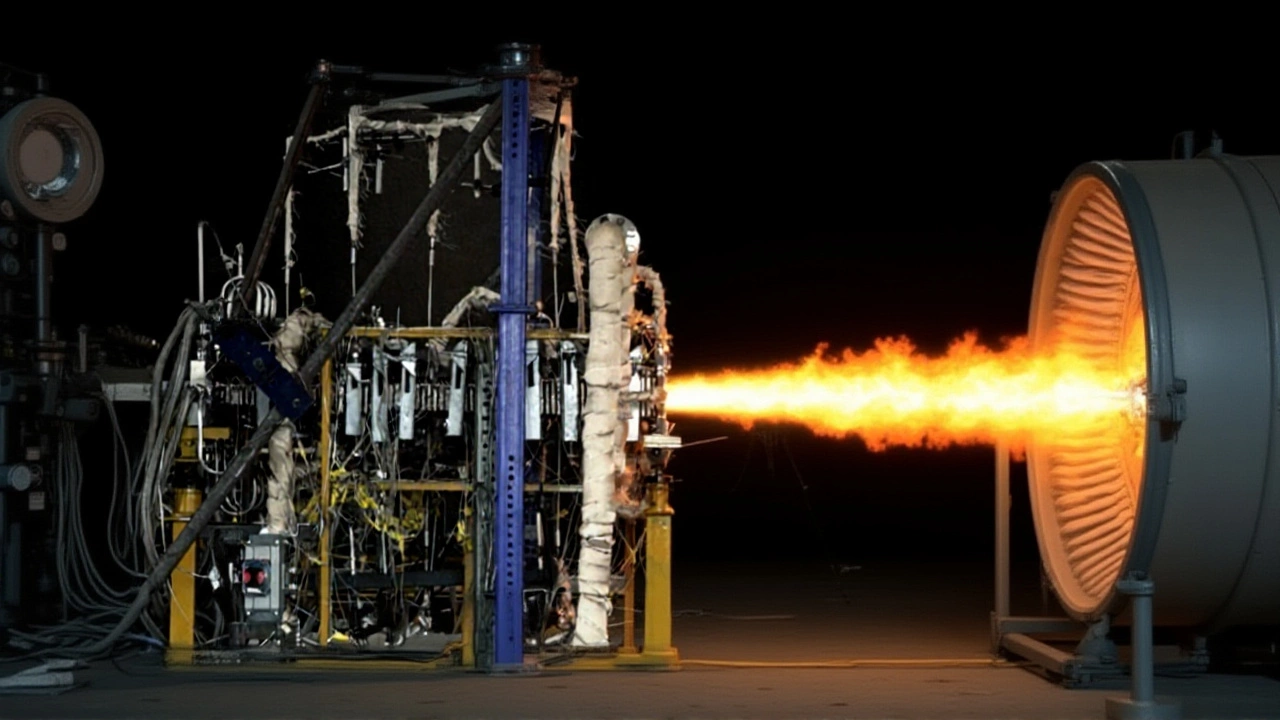
Let’s look at the clock. The government has set aggressive deadlines. If all goes according to plan, the first prototype could take flight by 2029. Full development completion is targeted for 2034, with serial production beginning in 2035. The Indian Air Force expects to receive its first operational AMCA squadrons around that same time.
Is 2029 realistic? Historically, fighter jet programs often face delays. The Tejas Light Combat Aircraft took years longer than initially projected. However, the stakes are higher now. With neighbors like China rapidly expanding their own fifth-generation fleet (the J-20), India cannot afford to lag behind. The pressure to deliver is immense.
The initial order is expected to be for 120 to 125 jets. While this sounds small compared to global superpowers, it’s a massive investment for a nation still transitioning from import dependence to self-reliance. Each jet represents millions of dollars in R&D, testing, and manufacturing costs.
Strategic Implications
Why does this matter beyond the tech specs? Because it sends a message. By approving the AMCA shortly after Operation Sindoor, New Delhi is signaling that it intends to secure its borders with homegrown capability. It reduces reliance on foreign suppliers who might impose restrictions during conflicts.
Moreover, it boosts the "Make in India" initiative in defense. Creating jobs, fostering innovation, and retaining intellectual property within the country are long-term benefits that extend far beyond the battlefield. As Dr. Jadhav noted, this project is about creating a sustainable industrial base.
Critics might argue that the budget is tight or that the timeline is too optimistic. And they’d have a point. Developing stealth technology requires precision engineering that India is only now mastering. But the alternative—waiting another decade—isn’t an option given the geopolitical landscape.
What Comes Next?
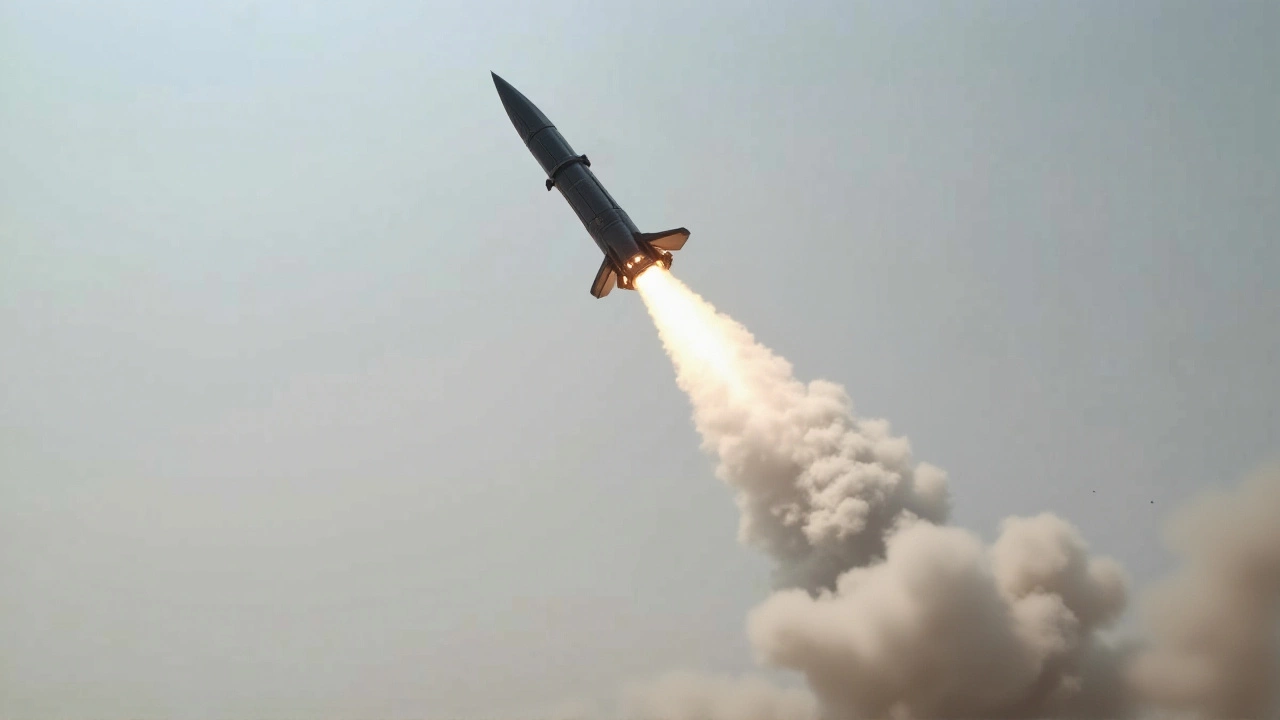
In the immediate future, watch for the selection of the prime contractor among the bidding firms. This decision will likely come in late 2025 or early 2026. Then, the focus shifts to wind tunnel tests, computer simulations, and eventually, the construction of the first physical prototypes.
Meanwhile, the DRDO continues parallel work on electronic warfare systems. Expect announcements about new jamming pods, advanced radars, and cybersecurity tools designed to protect these high-value assets. The AMCA isn’t just a plane; it’s the centerpiece of a broader modernization effort aimed at ensuring India’s skies remain under its control.
Frequently Asked Questions
What is the AMCA and why is it important?
The Advanced Medium Combat Aircraft (AMCA) is India’s indigenous fifth-generation stealth fighter jet program. It is crucial because it aims to replace aging fleets and provide the Indian Air Force with cutting-edge capabilities like stealth, super-cruise, and advanced sensor fusion, reducing dependence on foreign imports.
How much will the AMCA program cost?
The initial approval covers a budget of approximately ₹15,000 crore (around $1.8 billion). This figure primarily covers research, development, and the creation of prototypes. The total lifecycle cost, including mass production of 120+ jets, will be significantly higher, likely running into tens of thousands of crores over the next decade.
When will the Indian Air Force receive the AMCA?
The target timeline is ambitious: the first prototype flight is expected by 2029, with full development completed by 2034. Serial production is slated to begin in 2035, which is also when the Indian Air Force anticipates receiving its first operational squadrons.
Which companies are involved in building the AMCA?
Seven major Indian defense firms have expressed interest, including Hindustan Aeronautics Limited (HAL), Adani Defence, Tata Advanced Systems, and Kalyani Strategic Systems. The Aeronautical Development Agency (ADA) oversees the design, while a consortium of selected private and public partners will handle manufacturing.
How does the AMCA compare to other stealth fighters?
The AMCA is designed to compete with fifth-generation fighters like the American F-22 Raptor and Chinese J-20. Key features include twin engines, internal weapon bays, and advanced stealth coatings. Unlike some predecessors, it emphasizes network-centric warfare and integration with unmanned drones.